Your suitcase is almost packed, but you still don't know where to leave the car at the airport. Use our comparison tool to compare supervised car parks at Václav Havel Airport Prague and sort out your parking space today.
How to Pack a Suitcase for a Flight Without the Stress? Start with a Plan
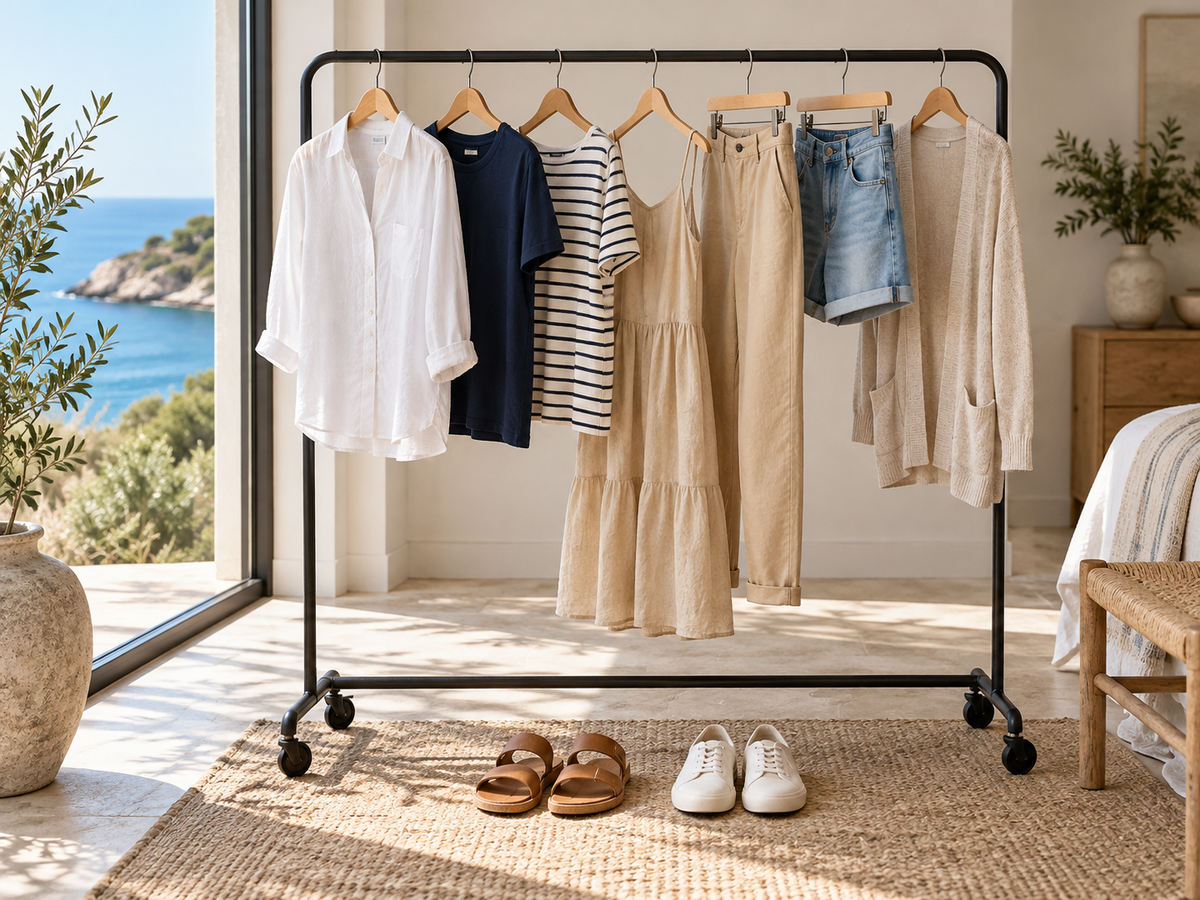
The most common packing mistake is throwing things into the suitcase without thinking. A few minutes of planning will save you space, weight and nerves at the check-in desk.
Clothes for the weather and your plans
First, check the weather forecast for your destination and go through your holiday plans. Then plan your clothes day by day. The beach calls for different things than a trip to the mountains or dinner at a restaurant.
Combine pieces that go well together and you'll manage with fewer clothes. Also check what your accommodation already offers. If the hotel has a hairdryer, towels and a washing machine, you'll save a lot of space in your suitcase.
A checklist by category
Write a list divided into documents, clothing, toiletries, electronics and medicines. When packing, you just tick things off and nothing important gets forgotten. Save the list on your phone; on the way back you can easily check it and make sure you haven't left anything behind in the hotel.
Documents and their validity
Before packing, check that your passport or ID card is valid. Some countries outside the European Union require your passport to remain valid for several months after your return. Take photos of your documents, your travel insurance card and your booking confirmations and save them on your phone.
Leave some space in your suitcase for souvenirs and shopping from the trip. Also think about how you'll get to the airport. If you're driving, look into free parking at Prague airport, or find out where parking works out cheapest.
Airline Limits You Need to Know Before Packing
Baggage rules differ by carrier and fare. Check them on the airline's website before you start packing, because you'll pay for exceeding the limit at the check-in desk or at the gate.
Carry-on baggage
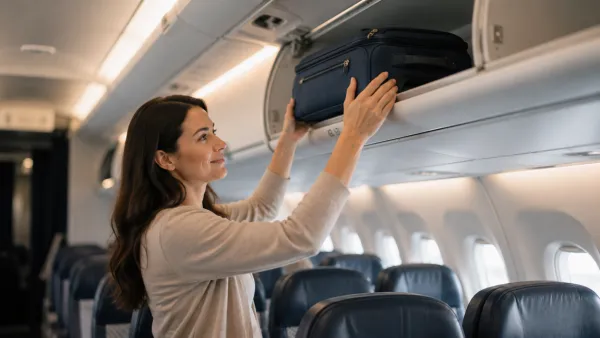
A standard carry-on bag usually measures up to 55 × 40 × 20 cm and weighs 8 to 10 kg. With low-cost carriers, the basic fare often includes only a small bag that fits under the seat, and you have to buy a cabin trolley case separately.
Checked baggage
The weight limit for a checked suitcase is most often between 20 and 32 kg, depending on the fare and the carrier. Each extra kilogram carries a surcharge, which on some airlines can climb to tens of euros.
Liquids and prohibited items
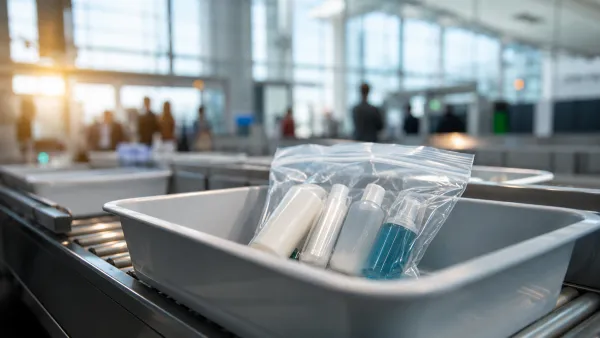
Liquids, gels and pastes usually belong in carry-on baggage in containers of up to 100 ml, packed in one transparent bag of up to one litre. When departing from Prague's Terminal 2, you may also carry one container of up to 2 litres. For details on the exceptions, see our article how much liquid you can take on a plane. Sharp objects, tools and sports equipment belong in checked baggage, while power banks and spare batteries must go only in the cabin. A complete overview is in our article what is not allowed on a plane.
Sports equipment and special baggage
Skis, golf clubs, a bicycle or a larger musical instrument must be registered in advance with most airlines and paid for as special baggage. At the airport you then hand them over at the oversized baggage desk. Arrange this as early as possible, because space for sports equipment is limited on every flight.
Don't want to circle the terminal in your car on departure day looking for a space? Use our comparison tool to book a car park with a shuttle transfer in advance and get to the airport exactly on schedule.
How to Pack a Suitcase for a Flight, Step by Step
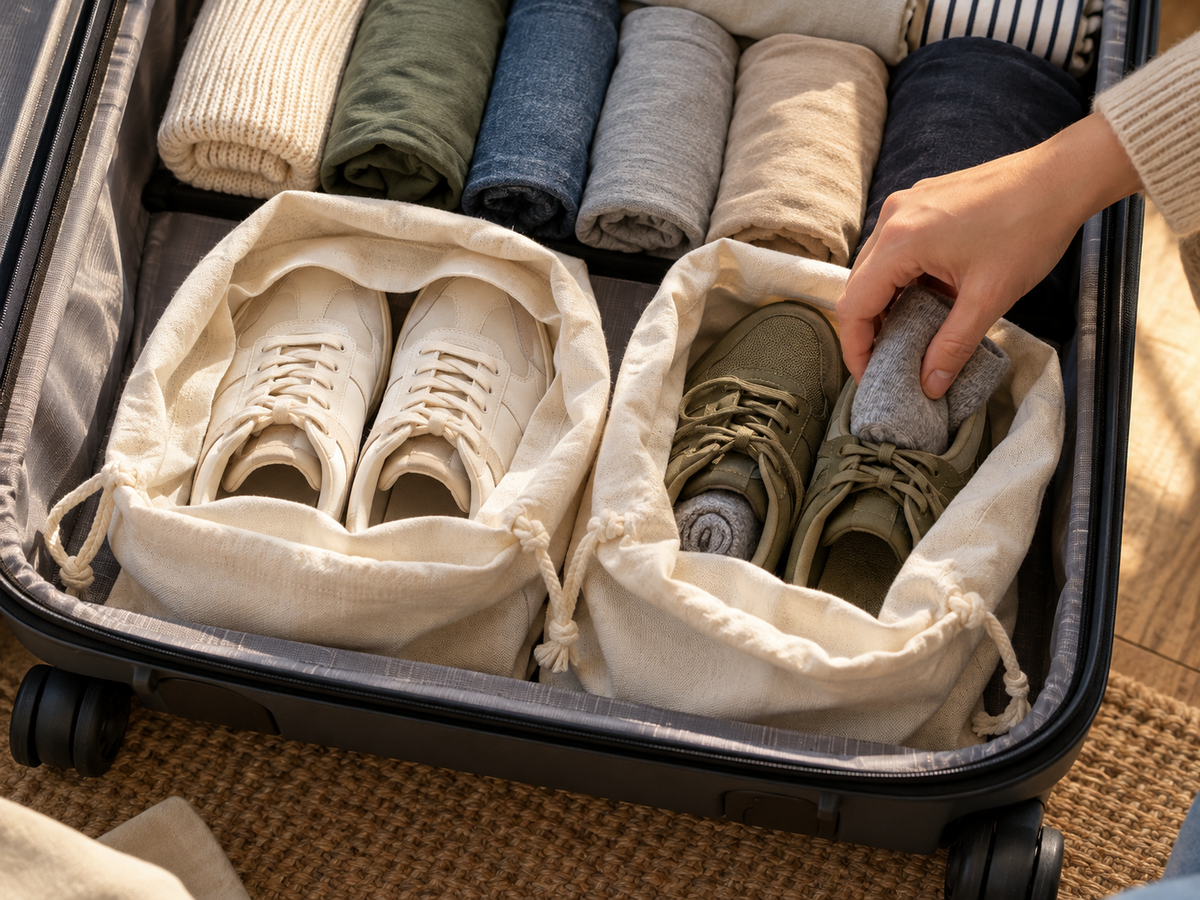
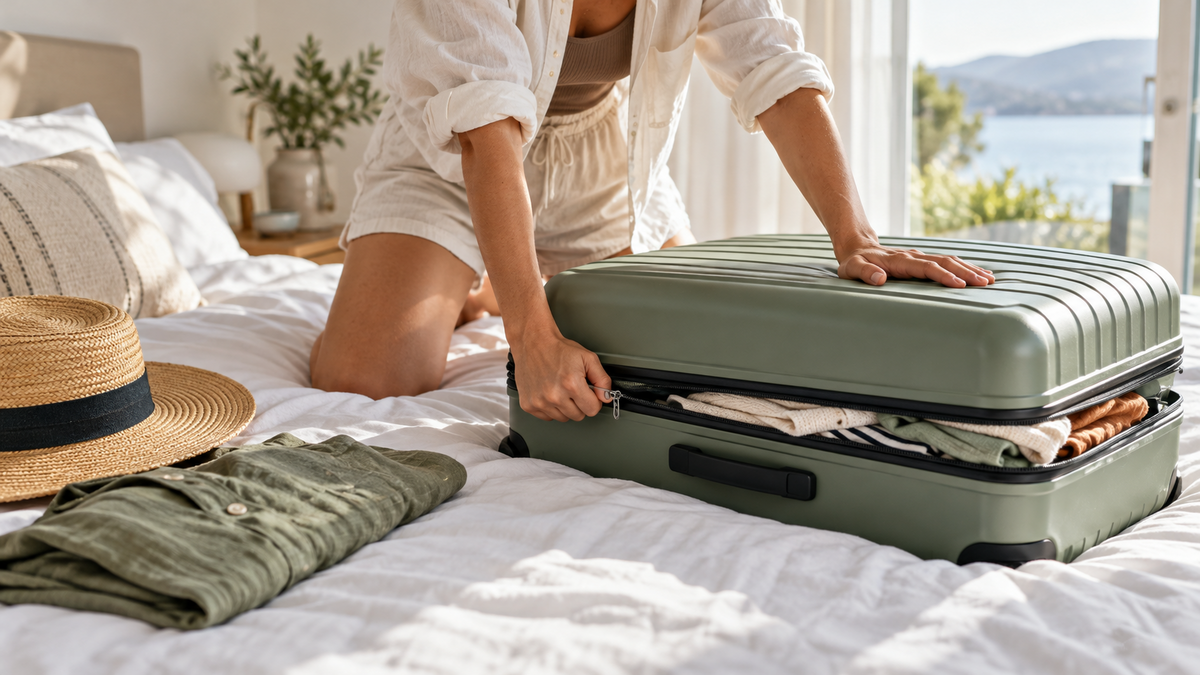
This proven method will help you fit more into your suitcase while protecting your clothes from creasing:
- Place heavy and firm items, such as shoes, your toiletry bag or books, at the bottom of the suitcase next to the wheels. This keeps the case stable so it won't tip over.
- Roll your clothes instead of folding them. Rolled T-shirts and trousers take up less space and crease less than folded items.
- Fill the empty gaps with small items. Put socks, underwear or chargers inside your shoes and you'll use space that would otherwise stay empty.
- Sort things into organisers or bags by category. When unpacking at the hotel or during any security check, you'll find everything within seconds.
- Pack a bag for dirty laundry so it doesn't mix with clean clothes on the way back.
- Weigh the packed suitcase on a scale at home, so the check-in desk won't surprise you with an overweight fee. We describe the check-in process in our article how check-in works at the airport.
Shirts and formal clothes that mustn't crease go on top. Lay them over the rolled items, or place them in a thin garment cover. Bulky jackets and jumpers can be made smaller in compression bags, from which you press out the air. Keep in mind, though, that this reduces the volume of the suitcase, not its weight.
Toiletries in a checked suitcase
The 100 ml limit for liquids doesn't apply to checked baggage, so you can take full-size bottles of shampoo and cream. A change in pressure during the flight can, however, loosen a cap. Put each bottle in a resealable bag and tape down the caps. That way a spilled shampoo won't damage the clothes throughout the case.
How to Pack a Suitcase for a Flight with a Safety Net in Your Carry-On
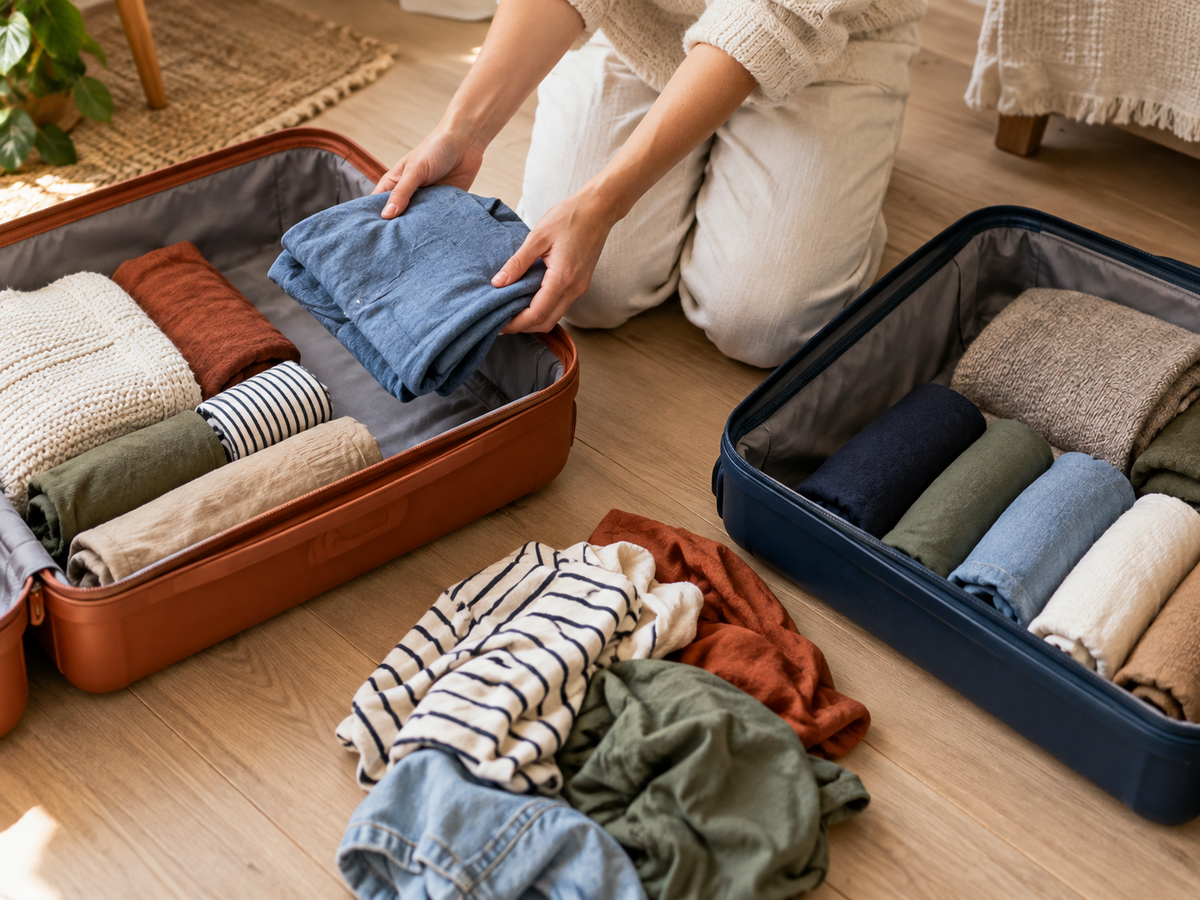
A checked suitcase can be delayed or lost. That's why your carry-on should hold everything you can't do without on the first day of your holiday:
- documents, cash, payment cards and boarding passes, which should never go in your checked suitcase,
- medicines you take regularly, in an amount for the whole trip,
- spare underwear, a T-shirt and basic toiletries for the first day,
- electronics, chargers and a power bank, which isn't allowed in the hold.
We explain the rules for external batteries in our article Can you take a power bank on a plane? Also pack a warmer layer in your carry-on, such as a hoodie or a scarf. Cabin air conditioning is often chilly, and on longer flights a neck pillow comes in handy too.
If you're travelling as a pair, split the clothes between both suitcases evenly. If one bag goes missing, you'll both still have something to wear.
Your holiday starts on the way to the airport. Use our comparison tool to choose quality supervised car parks by price, distance and reviews, and keep your car safe until you return.
Labelling and Securing Your Suitcase
The last step of packing takes only a few minutes, but it can be a great help if something goes wrong at the airport.
Tag with contact details
Attach a luggage tag to the suitcase with your name, phone number including the country code, and email address. It's better to leave your home address off. Put your contact details inside the suitcase too, in case the outer tag gets torn off. We cover the whole process in our post How to label a suitcase for a flight.
Lock and protective wrap
For longer flights, and especially for trips to the USA, a TSA-marked lock is worth having. American security can open it with a special key without damaging it. At the airport you can also have your suitcase wrapped in protective film for a fee, which protects it from scratches and accidental opening.
If you're going to the airport by car, answers to practical questions about booking, transfers and payment can be found in our frequently asked questions about airport parking.
A Suitcase with Free Space for the Trip Home
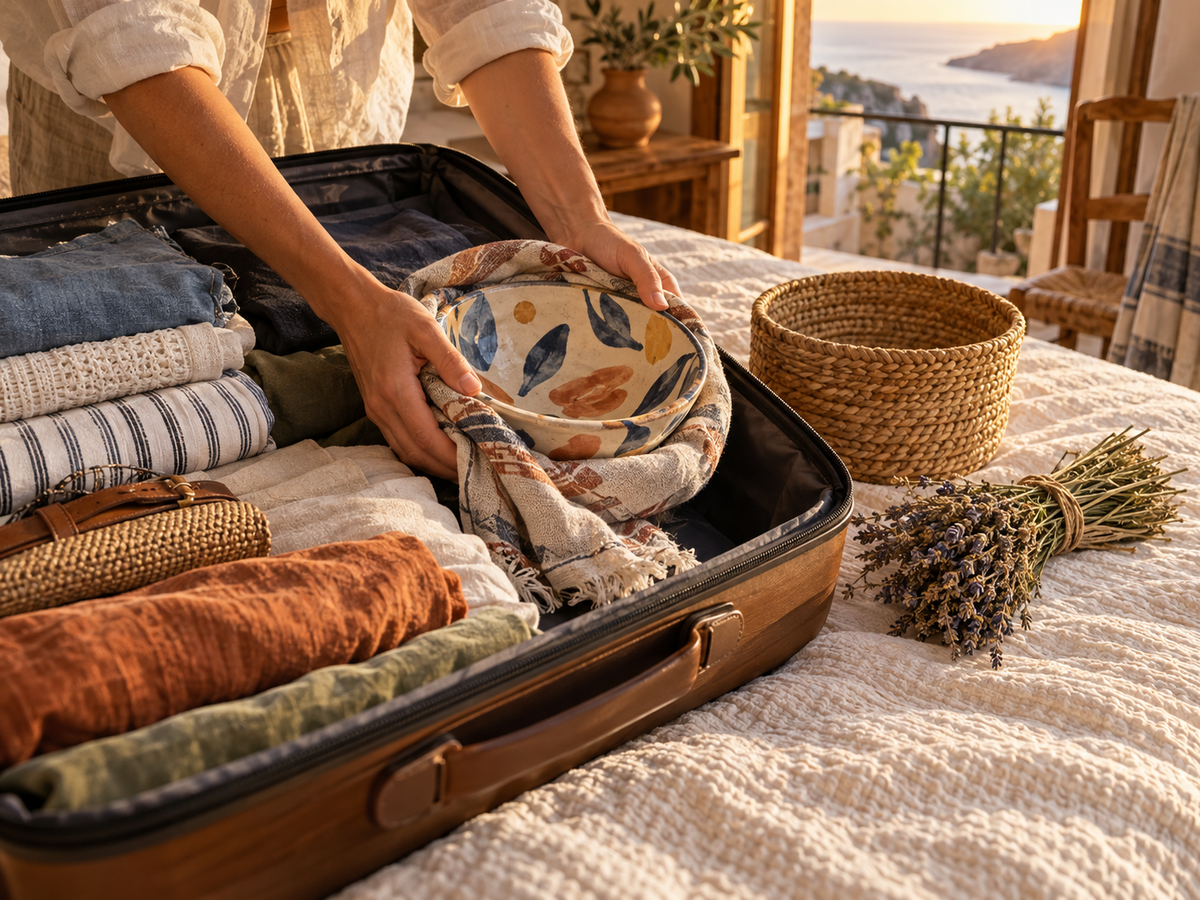
Good packing always starts with a plan and a checklist. Check your airline's limits, put heavy items at the bottom, roll your clothes and fill the gaps with small items. Keep documents, medicines and a spare change of clothes in your carry-on, and label your suitcase with a contact tag.
Don't fill the suitcase to the top. On the way back, free space comes in handy for souvenirs, local delicacies and clothes that take up more room after a holiday.
Tip: If you don't want to drive right up to the terminal, use parking at Veleslavín and finish the journey by bus.
Travelling with a van, a motorhome or a trailer? Our comparison tool helps you find airport parking with room for larger vehicles too, so you won't have to drive around full car parks.