Driving to the airport and not sure where to leave your car safely? Our comparison tool shows available guarded parking lots at any airport of your choice, sorted by price, distance, and rating. Book your spot and have one less thing to worry about.
Heart Disease and Vascular Problems
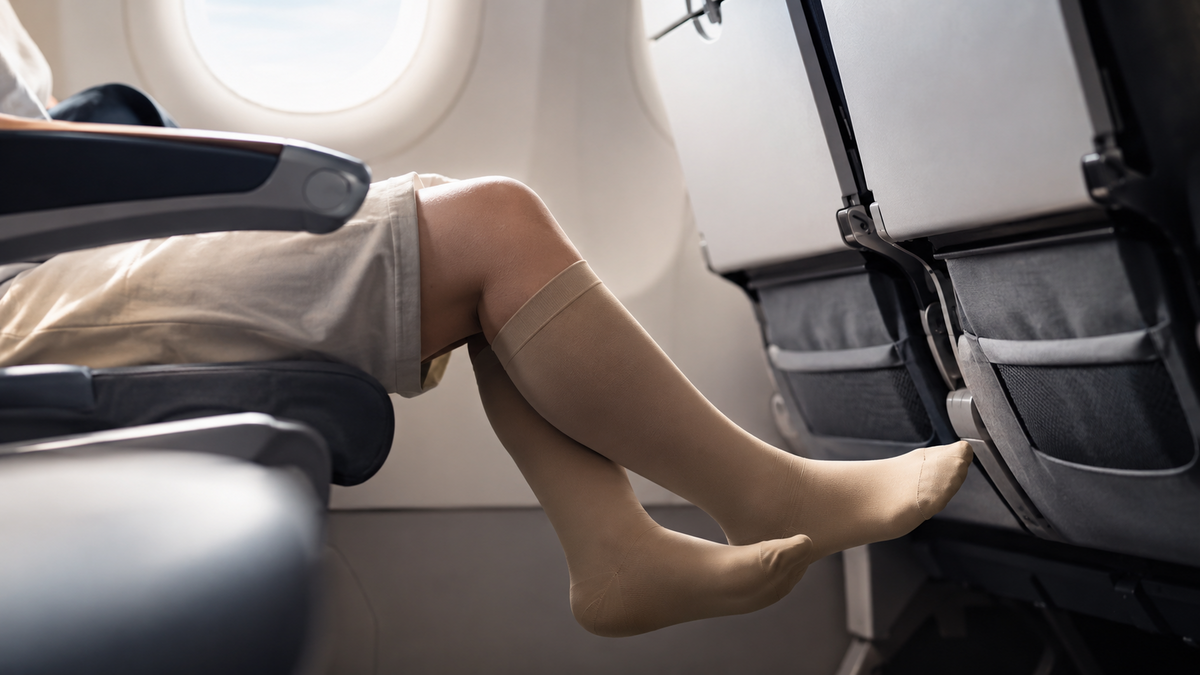
Your heart and blood vessels are under greater strain on board. The oxygen level in the cabin is roughly what you'd experience at 2,000 meters above sea level, blood pressure and heart rate shift during takeoff and landing, and the stress of travel can make everything worse.
Cardiologists recommend postponing any flight for at least two weeks after a heart attack, and even longer after a more severe one. Unstable angina, untreated arrhythmias, and decompensated heart failure are also conditions where flying without a doctor's approval cannot be recommended.
There's a simple way to gauge whether you're fit to fly: can you climb a flight of stairs at a normal pace without getting short of breath? If not, your body is telling you that the strain of the cabin won't be risk-free. Always talk to a cardiologist before flying.
Thrombosis and Risk Factors
When you sit motionless on a plane for a long time, blood flow in the veins of your lower legs slows down and clots can form. A clot can then travel to the lungs and cause a life-threatening pulmonary embolism.
The risk of thrombosis is raised by smoking, obesity, hormonal contraception, pregnancy and the postpartum period, dehydration, varicose veins, and a previous thromboembolic event. If even one of these applies to you, don't take a longer flight without compression stockings and regular movement. If several risk factors apply at once, ask your doctor about preventive anticoagulant medication.
After Surgery or Injury
Surgery leaves gases and air behind in the body, and as cabin pressure drops they expand and can cause pain or complications.
After abdominal surgery, doctors recommend waiting at least 10 days before your first flight. Middle-ear and sinus surgery also needs to heal before you fly, because pressure changes transfer directly to the operated areas.
A fresh fracture in a cast is risky for a different reason. The cast holds firm, and if the limb underneath it swells (which happens in flight), there's a danger of cutting off the blood supply to the tissue. Airlines have rules for traveling with a cast that depend on flight length. Always check before buying your ticket.
Breathing Problems
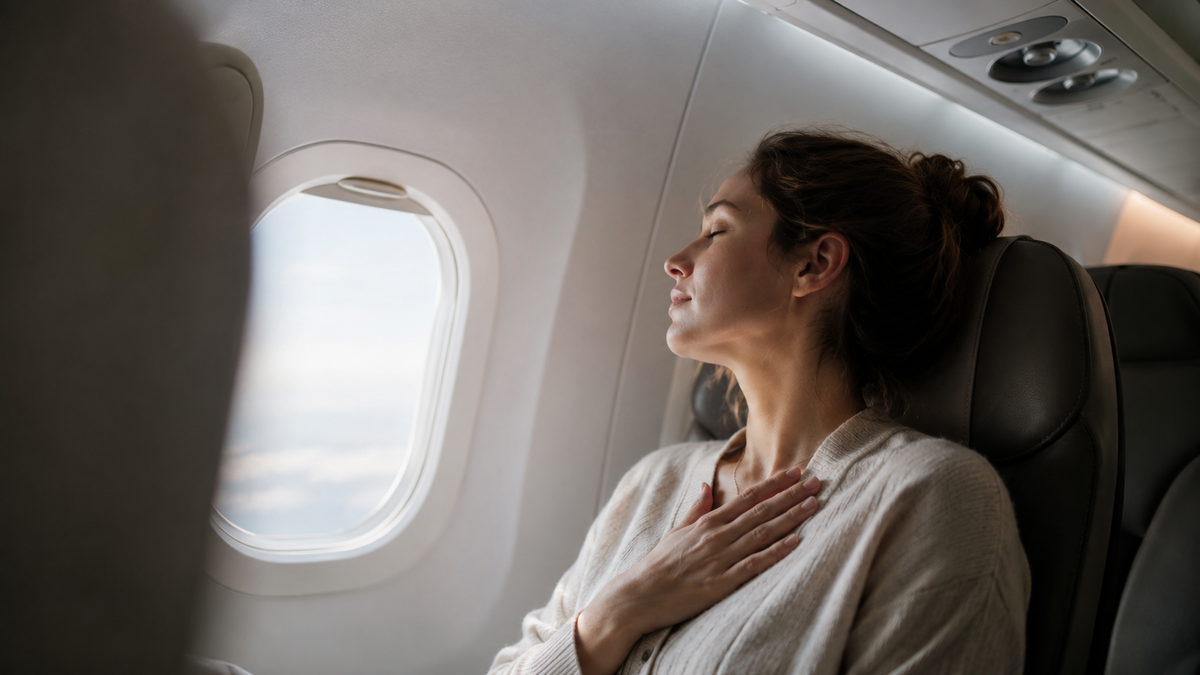
The low pressure and reduced humidity in the cabin (below 20%) are uncomfortable even for healthy passengers. For people with chronic lung disease, they can be genuinely dangerous.
Chronic bronchitis and emphysema limit the lungs' ability to cope with a lower oxygen supply. Severe COPD or active pneumonia are situations where flying without supplemental oxygen and a doctor's approval is out of the question.
An inflamed nasopharynx or sinuses causes painful pressure to build up during takeoff and landing, because congested membranes stop the pressure from equalizing. It isn't life-threatening, but it's a very unpleasant experience that can even damage the eardrum. A decongestant nasal spray used half an hour before takeoff and landing makes a big difference.
When you travel, it's always best to have parking sorted in advance. Use our comparison tool to pick guarded parking with a shuttle straight to the terminal and head to the airport stress-free.
Who Shouldn't Travel by Plane? Epilepsy Doesn't Necessarily Rule It Out
Epilepsy in itself is not an absolute contraindication to flying. With well-controlled epilepsy and regular medication, most patients can fly without restrictions.
Watch out for what can trigger a seizure. Lack of sleep before the flight, the stress of check-in, of hunting for parking at Prague Airport and of security screening, dehydration in the cabin, and heavy jet lag are all typical triggers. Before a longer trip, always talk to your neurologist about possibly adjusting your medication. Let the cabin crew know about your condition – they know how to respond, but only if they're aware of the situation.
Diving and Decompression Sickness
Anyone who scuba dives has to respect one firm rule: at least 24 hours must pass between your last dive and boarding a plane. After repeated dives or dives to greater depths, a 48-hour gap is recommended.
The reason is physiological. While diving, nitrogen is absorbed into your tissues and blood under pressure. If the body gets enough time to release it gradually, nothing happens. If the pressure drops quickly (during an aircraft's climb, for example), the nitrogen can be released too fast and cause decompression sickness, with symptoms ranging from joint pain to paralysis or death.
Pregnancy and the Postpartum Period
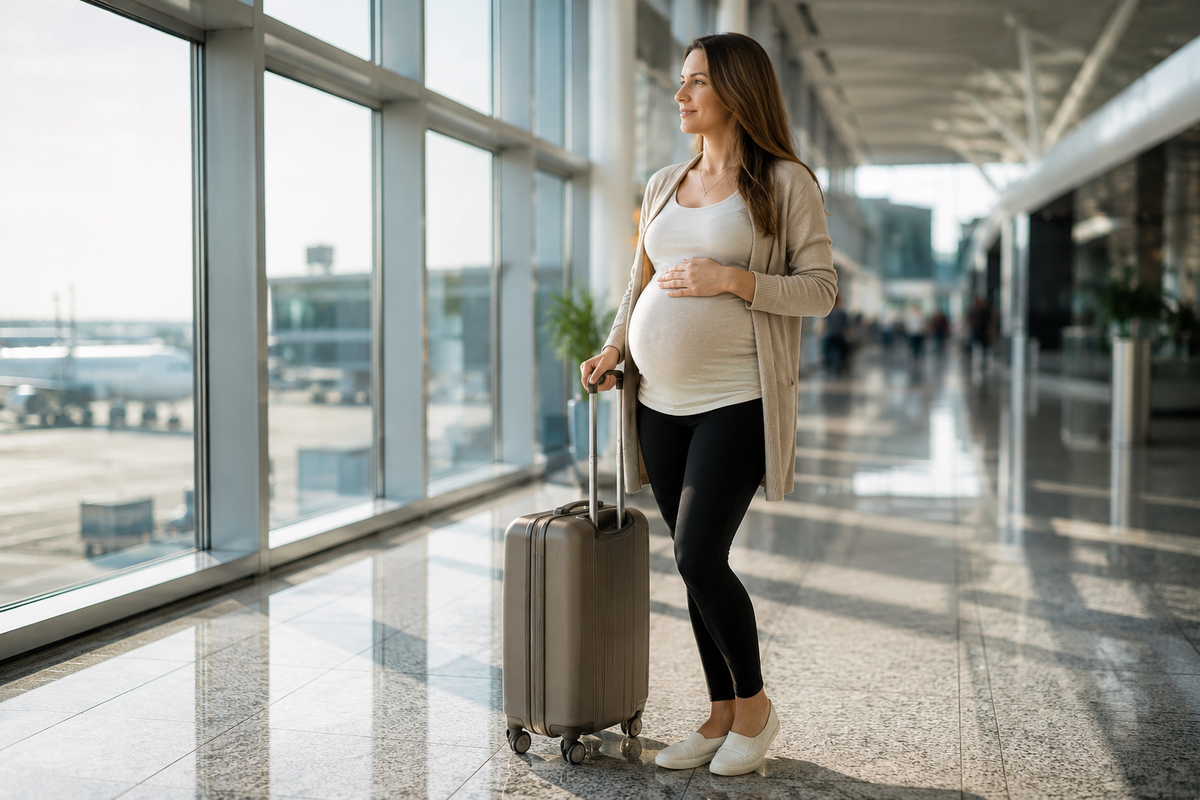
Late pregnancy restricts air travel for two reasons: the risk of premature birth and an increased risk of thrombosis. Most airlines will not carry pregnant passengers past 36 weeks (28 weeks for multiple pregnancies), with no exceptions. Between weeks 28 and 36, a fit-to-fly certificate from a gynecologist is normally required.
The postpartum period is a time when a woman's body goes through major hormonal and physical changes, and the risk of thromboembolism is significantly elevated. Flying shortly after giving birth without consulting a doctor is not advisable.
For a detailed overview of what applies in each trimester and how individual airlines' rules differ, see our article on flying during pregnancy.
Who Must Not Fly Without Consulting a Doctor First
There's a category of conditions where flying isn't outright forbidden, but where it's simply impossible to say whether it's safe without a medical assessment.
These include:
- anemia (a reduced ability to carry oxygen),
- mental health conditions in an acute crisis,
- cancer while undergoing treatment,
- a recent stroke (a pause of at least 2 weeks is recommended),
- severe, poorly controlled diabetes
- and post-transplant conditions.
In these cases, a doctor will assess your specific situation and decide whether or not to issue a fit-to-fly certificate. Without that step, it's better to postpone your flight.
What Happens to Your Body in Flight and How to Reduce the Risks
Even a healthy passenger experiences physical changes on board that are worth knowing about.
G-forces during takeoff and landing put a brief but significant strain on the heart and blood vessels. Ears react to pressure changes – swallowing, chewing, or the Valsalva maneuver (pinching your nose and gently blowing with your mouth closed) help equalize the pressure. Jet lag throws off your body clock and disrupts sleep; on longer trips it helps to start shifting your sleep schedule before you leave home. Motion sickness affects some passengers, especially in turbulence; a seat over the wings offers the smoothest ride.
Follow the general prevention rules too: drink plenty of water, go easy on alcohol and coffee, stretch or take a walk every 30 minutes, and put on compression stockings before boarding. For longer flights, some doctors recommend a preventive dose of aspirin to reduce blood clotting – it depends on your individual risks, so ask in advance.
The rules for liquids on planes also apply to liquid medications – a clear plastic bag and no more than 100 ml per container, unless you have a medical prescription that qualifies you for an exception.
Check Your Health Before Anything Else
The vast majority of people are fine to fly, and the airplane remains one of the safest modes of transport in the world. Still, there are situations where the cabin environment adds a strain the body isn't prepared for. If you have a heart condition, recent surgery, or a late-stage pregnancy, or if you went diving the day before departure, consulting a doctor should be your priority above everything else.
And if you're flying for the first time and don't know what to expect between arriving at the airport and boarding, read our guide to your first flight as well. We also recommend doing an airport parking comparison ahead of time.
Book your airport parking through our comparison tool before you even leave home. Compare the available options, pick guarded parking with a shuttle, and confirm your reservation in two minutes. You pay on arrival, and cancellation is free up to 24 hours in advance.